

10 Distinct Facts About Muslims in Venezuela
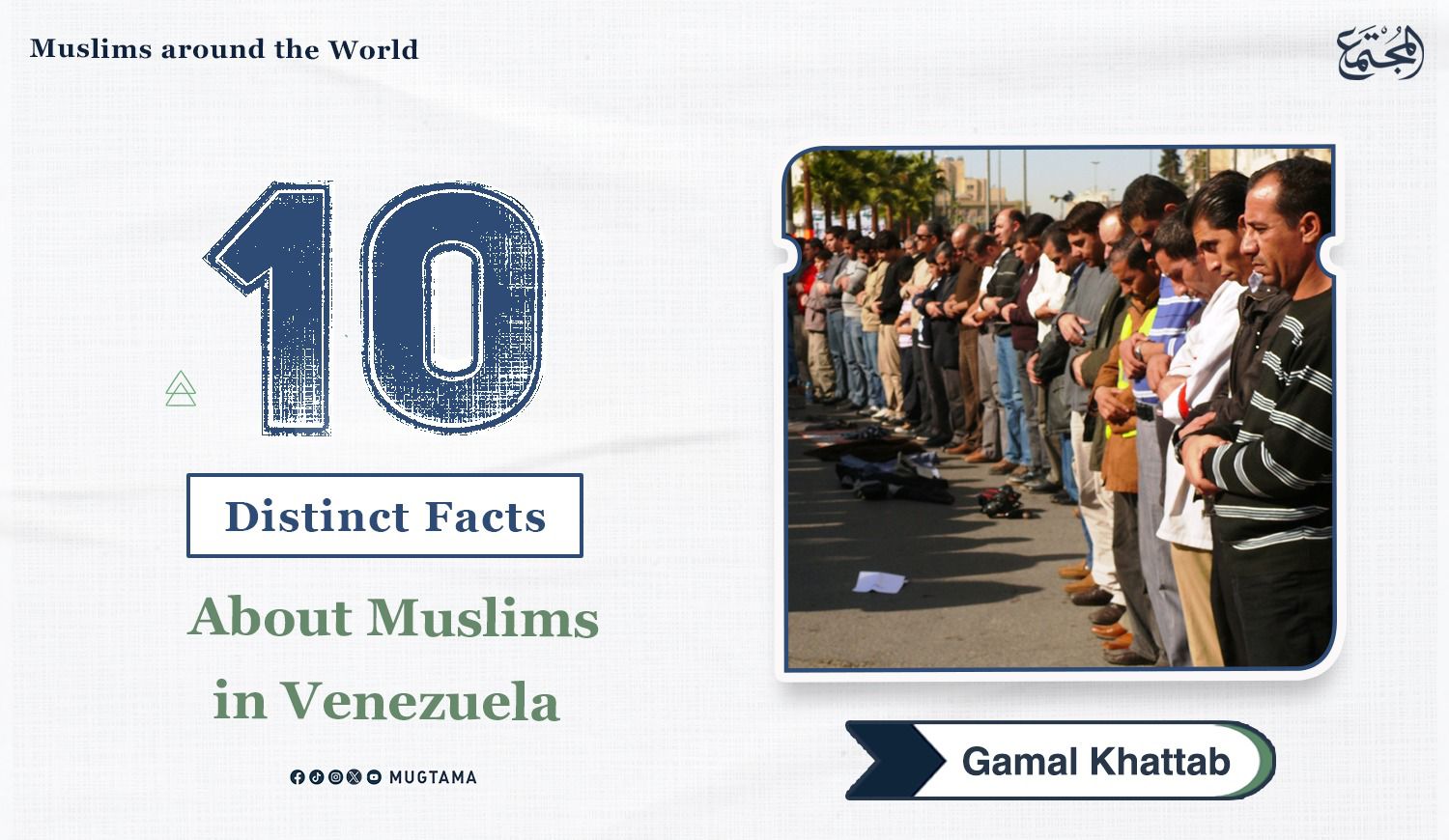
Islam in Venezuela is more than a religion practiced by a small community; it is a story of migration, resilience, and cultural contribution. Though Muslims make up less than one percent of the population, their presence has shaped aspects of Venezuelan society in ways that are both subtle and profound.
1. A Small but Influential Minority
Muslims represent about
0.4% of Venezuela’s population, estimated between 100,000 and 300,000 people.
Their numbers may be modest, but their influence is visible in commerce,
culture, and interfaith dialogue.
2. Roots in Arab Migration
The first Muslims arrived in the late
19th century, primarily from Lebanon, Syria, and Palestine. They came seeking
economic opportunity, bringing with them traditions and faith that would later
anchor Islamic identity in Venezuela.
3. Concentration in Caracas
The capital city, Caracas,
is home to the largest Muslim community, numbering around 15,000 people. Here,
mosques, cultural centers, and Arab clubs serve as hubs of religious and social
life.
4. The Sheikh Ibrahim Al‑Ibrahim Mosque
Standing tall in Caracas, the Sheikh Ibrahim Al‑Ibrahim Mosque is a landmark of faith. Built with Saudi support, it is
the second largest mosque in Latin America, its dome and minaret symbolizing
Islam’s enduring presence in Venezuela’s urban landscape.
5. Official Recognition
Islamic associations and clubs enjoy formal
recognition by the Venezuelan government.
More than 22 centers and associations operate across the country, reflecting
both the state’s commitment to religious freedom and society’s respect for
diversity.
6. Sacred Religious Freedom
Religious freedom
in Venezuela is considered sacred. Muslims pray openly, celebrate Eid, and
maintain mosques without restriction. This environment has allowed Islam to
grow steadily among Venezuelans.
7. Conversions and Local Interest
One striking feature is the growing
number of Venezuelans embracing Islam. Many locals have converted after
interacting with Muslim traders known for honesty and integrity. This
reputation has become a powerful form of da‘wah, attracting new followers.
8. Commerce and Contribution
Muslims are heavily involved in trade
and commerce, earning respect for their fairness. Their economic role sustains
their communities and strengthens their integration into Venezuelan society.
9. Education and Culture
In 1998, land was purchased to
establish the Venezuelan Islamic Cultural Institution, which opened in 2007
with support from the Islamic Development Bank. It teaches both the national
curriculum and Islamic studies, including Arabic. Al‑Azhar University in Egypt has also sent teachers and scholars to support Islamic
education.
10. Solidarity with Global Causes
Muslims in Venezuela express
solidarity with global Islamic issues, especially the Palestinian cause.
Leaders of Arab descent in South America have voiced support, reflecting the
interconnectedness of Venezuelan Muslims with the wider Muslim world.
A Story of Resilience
From migration in the 19th century to
the establishment of mosques and cultural institutions, Muslims in Venezuela
have carved out a respected place in society. Their emphasis on honesty in
trade, commitment to religious freedom, and solidarity with global causes
highlight their unique role in Venezuela’s diverse cultural fabric.
Though small in number, they embody
the strength of minority communities that preserve identity while contributing
positively to the societies they inhabit. Their story is a reminder that Islam,
even far from its traditional heartlands, continues to thrive and inspire.
Sources
- News24 – Religion in Venezuela
- TheFlags.org – Is Venezuela a Muslim Country?
