


Ramadan in Kuwait: A Spiritual and Cultural Season
5 Islamic Traditions Distinguish Ramadan in Kuwait

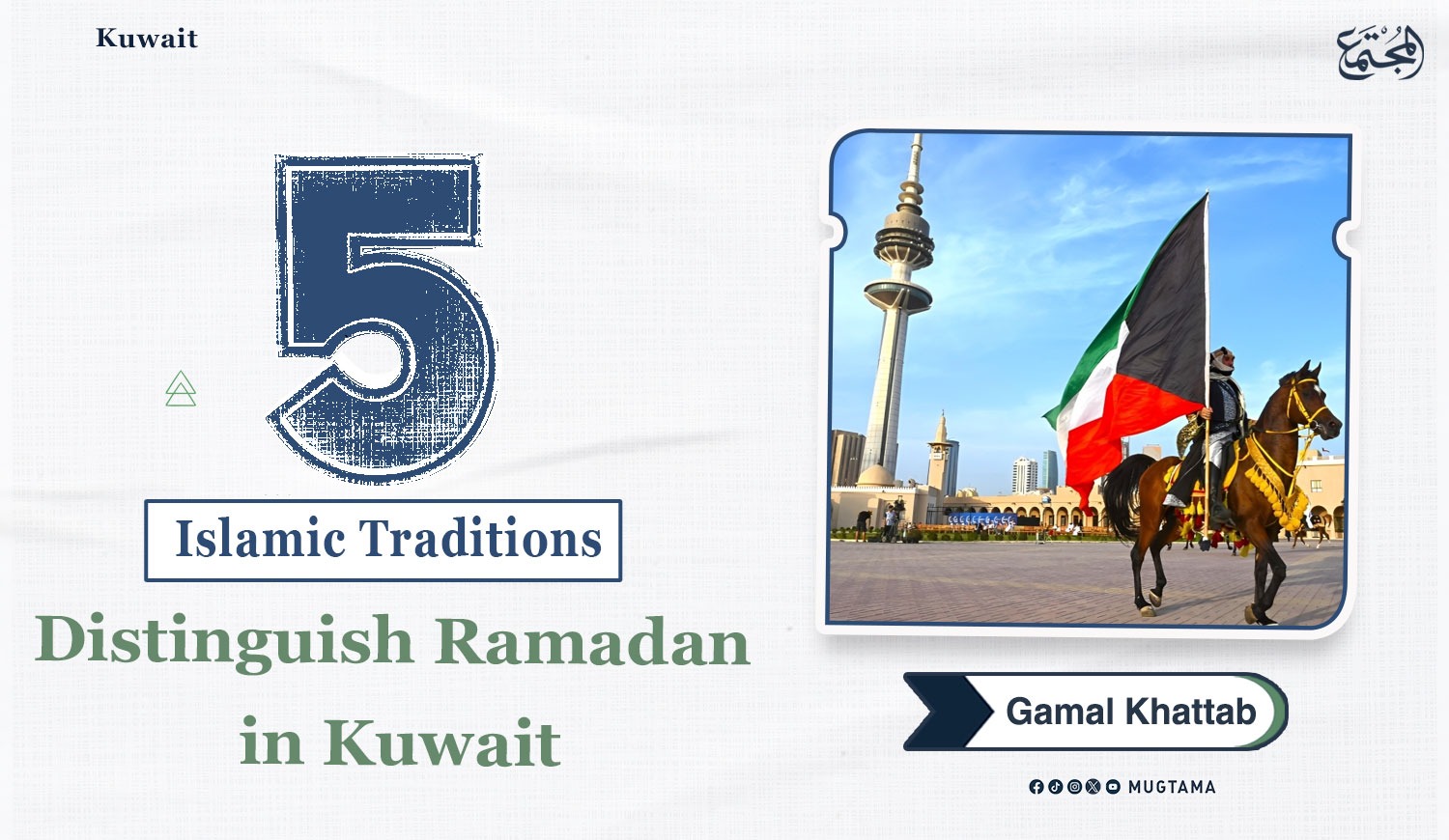
In Kuwait, Ramadan is not only a spiritual journey but also a rich cultural celebration. The holy month transforms daily life into a season of deep reflection and vibrant communal festivities. While fasting dominates the daylight hours, sunset ushers in centuries-old traditions rooted in Islamic culture. Ramadan offers a unique window into the essence of Kuwaiti identity, shaped by faith, family, and hospitality.
1. Intensive Social Gatherings
One of the most cherished traditions in Kuwait during Ramadan is the Ghabqa, a late-night meal often featuring local
sweets. Alongside this, the Diwaniya—weekly social gatherings—bring
families and friends together after iftar to exchange ideas, strengthen bonds,
and celebrate fraternity. These gatherings embody Islamic principles of unity
and harmony within society.
2. Joy of Children
Midway through Ramadan, Kuwaiti children celebrate Girgian.
Dressed in colorful outfits, they roam neighborhoods singing songs and
collecting sweets from homes. Though not a religious obligation, Girgian
reflects the joy of Ramadan, especially for the younger generation. It aligns
with the Prophet Muhammad’s teaching: “Exchange gifts and you will love one
another” (reported by al-Bukhari in al-Adab al-Mufrad). Sharing sweets
and celebrating with children highlights generosity and happiness as core
values of Ramadan.
3. Sharing Meals with Family and Guests
Iftar at sunset and suhoor before dawn are communal meals that
foster togetherness. Families often invite neighbors, friends, and colleagues
to share these meals, reflecting Kuwait’s spirit of hospitality. Ramadan
tents, frequently attached to mosques, also welcome the less fortunate,
ensuring inclusivity and compassion during the holy month.
4. Hospitality and Festive Atmosphere
Ramadan in Kuwait is marked by warmth and generosity.
Families open their homes for iftar and suhoor, welcoming guests from diverse
backgrounds. Shopping centers and traditional markets bustle with activity as
people purchase festive clothing and Ramadan essentials, creating a celebratory
atmosphere. This blend of faith and culture enriches the spiritual experience
with vibrant social life.
5. Worship and the Last Ten Nights
Despite the festive spirit, the spiritual dimension of Ramadan
remains paramount. Kuwaiti mosques fill nightly for taraweehprayers. In the last ten nights, devotion intensifies, as Muslims engage in
prayer, charity, and reflection during one of the holiest periods of the year.
The community prepares for Eid al-Fitr, which crowns Ramadan’s spiritual
efforts with joy, gratitude, and unity. Mosques resonate with Qur’anic
recitation until dawn, marking Ramadan as a season of unparalleled warmth and
devotion.
Ramadan in Kuwait: A Unique Islamic Fabric
Ramadan in Kuwait weaves together faith, solidarity, and
culture. From Ghabqa and Diwaniya to Girgian, communal
meals, hospitality, and festive attire, each tradition reflects deep Islamic
values of unity, generosity, and spiritual renewal. Rooted in the Qur’an and
Sunnah, these practices distinguish Ramadan in Kuwait as a unique journey of
worship and connection. As the month concludes, Kuwaitis embrace Eid al-Fitr,
celebrating with joy, gratitude, and strengthened bonds.
Read also:
