


5 Reasons the Global Rap Star Central Cee Turned to Islam

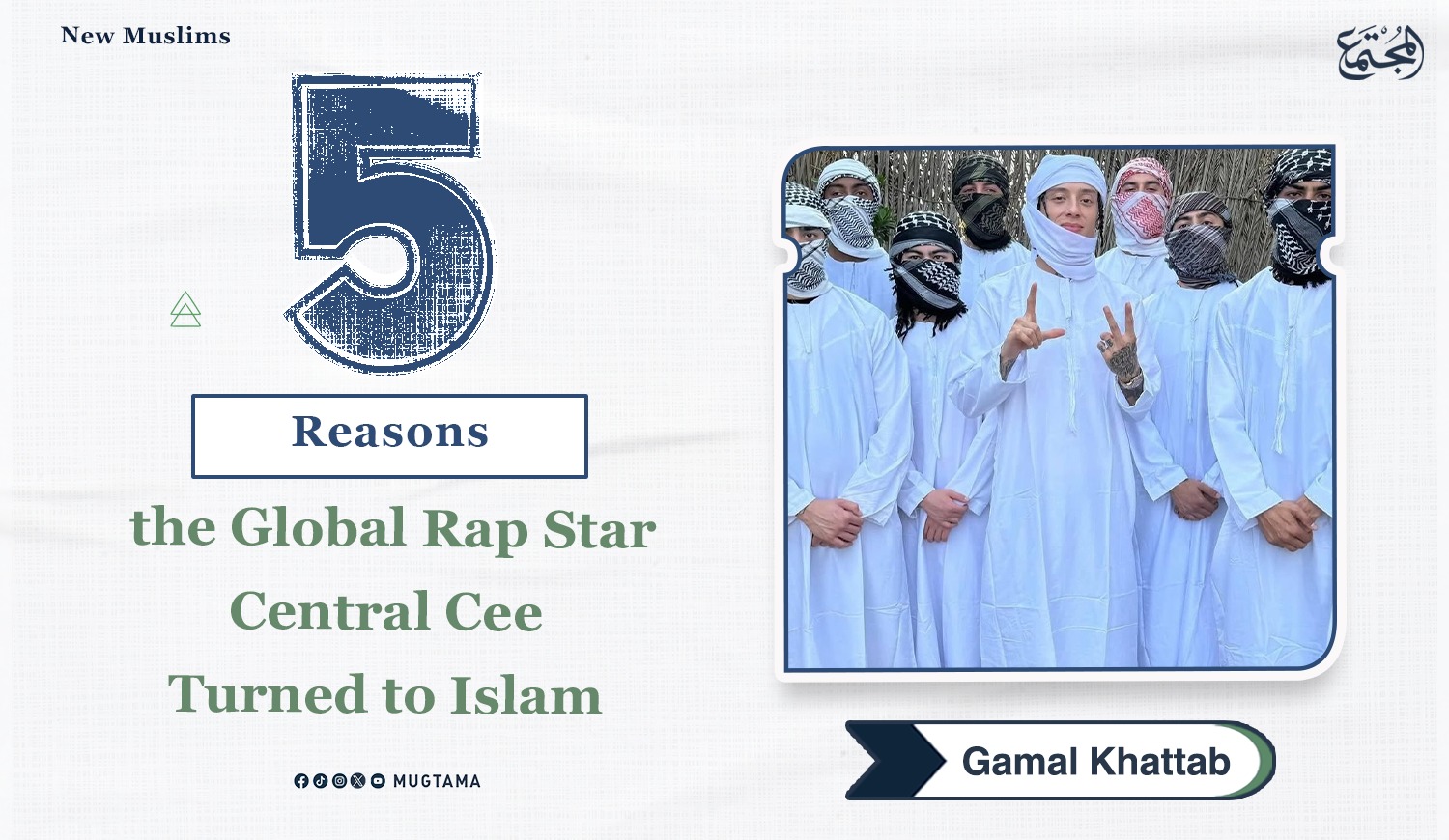
Central Cee, born Oakley Neil Caesar-Su on June 4, 1998, in Ladbroke Grove, London, is one of the most influential figures in the UK drill and rap scene. Known professionally as “Cench,” he rose to prominence in 2020 with singles like Day in the Life and Loading. His mixtapes Wild West (2021) and 23 (2022) cemented his reputation, with the latter debuting at number one on the UKAlbums Chart. By 2023, his track Sprinter topped the UK Singles Chart, making him a household name in British music.
Who is His Family?
Central Cee comes from a diverse
background. His father is of Guyanese heritage, while his mother is Irish. He
grew up in Shepherd’s Bush, West London, alongside his brothers. His upbringing
in a multicultural environment exposed him to different traditions and
communities, shaping his worldview and later influencing his music.
How Did He Enter the World of Music?
Cee began experimenting with rap as a
teenager, recording tracks and freestyling in his local community. His early
influences included UK rap and grime, but he quickly gravitated toward drill, a
genre that matched his raw storytelling style. His breakout moment came in
2020, when his singles gained traction on streaming platforms, propelling him
into mainstream recognition.
How Far Has His Fame Reached?
Central Cee’s fame is global. He has
performed at major festivals across Europe, including Lollapalooza Paris, and
collaborated with international artists. His music videos rack up millions of
views, and he is considered one of the most streamed UK rappers worldwide. His
influence extends beyond music, shaping fashion trends and youth culture in
Britain and abroad.
How Will His Conversion to Islam Affect Muslims?
For Muslims in the UK, Central Cee’s
conversion is a moment of representation and validation. As one of the
country’s most prominent rappers, his embrace of Islam highlights the faith’s
growing visibility in mainstream culture. It may inspire young Muslims who look
up to him, reinforcing the idea that success and faith can coexist.
How Will His Conversion Affect Non-Muslims in Britain?
For non-Muslims, his conversion may
spark curiosity and dialogue about Islam. It challenges stereotypes by showing
that a globally successful artist has chosen faith over industry excess. His
decision could foster greater understanding of Muslim values within Britain’s
multicultural society, encouraging conversations about identity, spirituality,
and belonging.
Five Reasons Behind Central Cee’s Connection to Islam
1. Escaping the Noise of Fame into the Serenity of Islam
The music industry, especially pop
music, is known for its volatility and chaos. In contrast, the five daily prayers provided a structured rhythm to the day of a global star filled with
disorder and noise. This discipline undoubtedly gave him a sense of stability,
mental clarity, and peace.
2. Interaction with the Muslim Community
Central Cee grew up in West London
(specifically Shepherd’s Bush), one of the most religiously diverse areas in
the UK. Many of his closest childhood friends and companions were Muslim, to
the extent that Arabic phrases such as “Inshallah,” “Alhamdulillah,” and
“Wallah” appear in his songs. For him, Islam is not a “foreign” concept
but rather the language of his community and upbringing.
3. Admiration for Islam’s Disciplined Morals
Rap music often glamorizes “forbidden”
activities—excessive drinking, drug use, and reckless materialism. As Central
matured and leaned toward sobriety, he found harmony between Islam’s
prohibitions on intoxicants and his desire to maintain focus and energy in
managing his career. Choosing faith over the stereotypical “reckless rapper
lifestyle” helps him preserve a unique identity that commands greater respect
from his global audience.
4. Islam’s Emphasis on Family Care
Central Cee, who often speaks about
his responsibility toward his mother and siblings, found in Islam’s focus on
parents and family the values he had long sought. The religion’s emphasis on
the role of the “protector and provider” resonates with his personal story of
rising from poverty to care for his loved ones.
5. Exposure to Muslims in Africa and Asia
Central Cee travels extensively, and
travel often breaks stereotypes. Through his tours in the Middle East
(particularly the Gulf and North Africa) and collaborations with artists from
the Muslim world, he experienced the global Muslim community firsthand. Seeing
the same faith practiced by people of all ethnicities worldwide was likely one
of the things that drew him to Islam.
Will He Continue Singing or Retire?
At present, Central Cee has not
indicated any plans to retire from music. His conversion is more likely to
influence his lyrical themes rather than end his career. Fans may see a shift
toward introspection, spirituality, and social responsibility in his work.
Rather than halting his artistry, faith may mark the beginning of his most
authentic chapter.
Central Cee’s conversion to Islam is
more than a personal milestone—it is a cultural moment. It reflects the
intersection of fame, faith, and identity in modern Britain. For Muslims, it is
a source of pride and representation; for non-Muslims, it is an opportunity for
dialogue and understanding. As he continues his career, his journey may reshape
not only his music but also the broader UK rap scene, proving that faith and
artistry can coexist powerfully.
-----------
Read also:
