


Ramadan for the Newlyweds

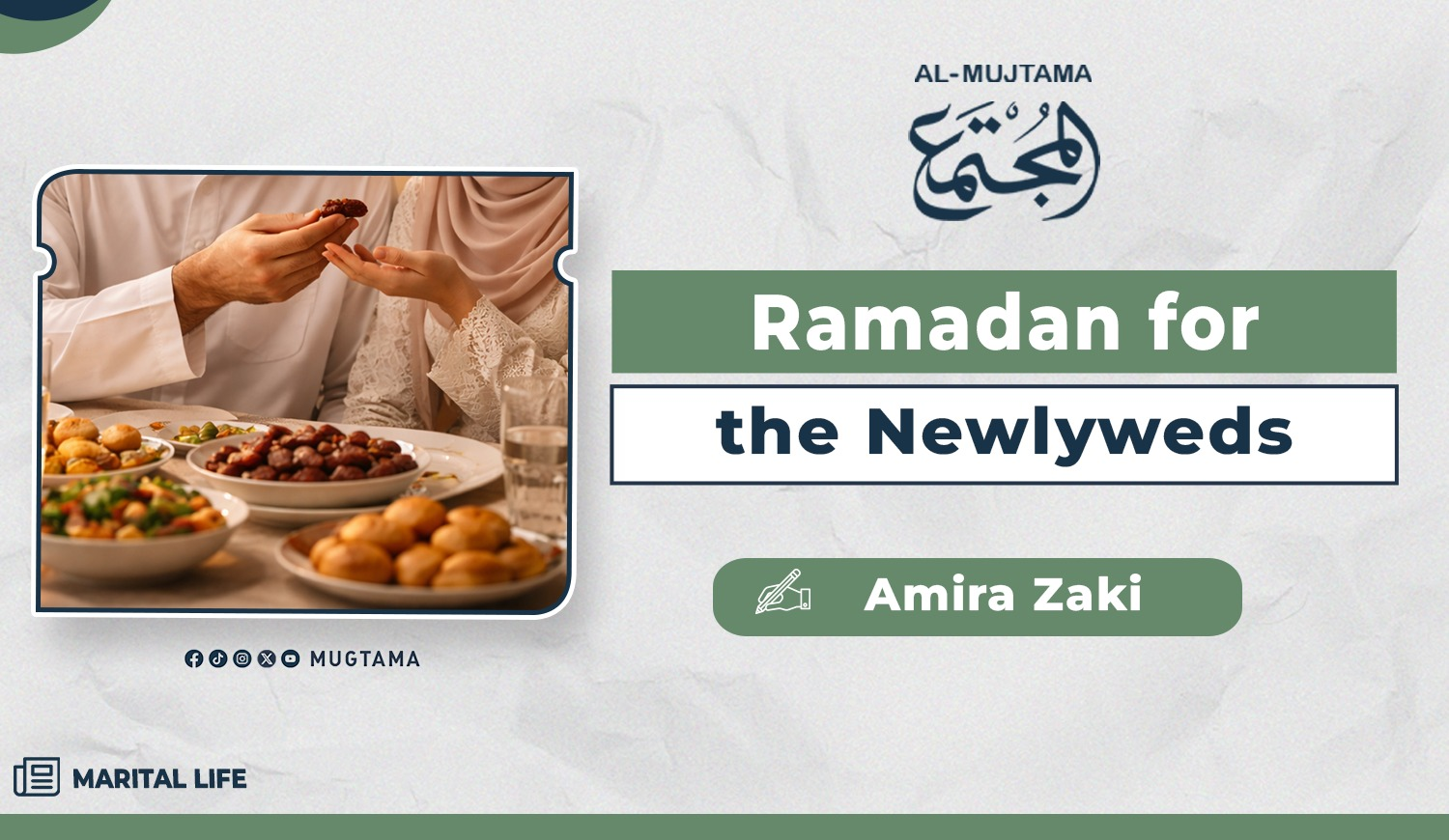
With the
sounds of supplications and religious chants in the background, a young man in
his twenties stood at three o’clock in the morning beside his wife, preparing
food over a gentle flame for the first suhoor of their lives after entering the
sacred bond of marriage. They exchanged conversation and laughter until dawn
broke.
That
simple moment was, in reality, a decisive test of a new phase that had just
begun: Ramadan after marriage.
Only a
few months earlier, each of them had welcomed Ramadan in their parents’ home.
Today, however, the responsibility rests solely on their shoulders. The kitchen
has become their small kingdom, the budget a shared decision, and family visit
schedules a delicate equation requiring wise solutions.
This is the first year of marriage in Ramadan: a mixture of longing for the warmth of
family, apprehension about responsibility, and amazement at daily life details
they had never noticed before. Yet Ramadan offers a remarkable opportunity to
build a different kind of relationship—one rooted in shared faith and the
understanding that this blessed month marks the beginning of a long journey of
affection and mercy.
Marriage
may begin with romance, but it soon faces challenges such as financial
pressure, differences in habits, and the need for independence. Ramadan may add
new responsibilities through communal iftars and family visits—matters that
require wisdom and sound management.
The first
Ramadan for newlyweds demands discovering its hidden treasures and transforming
them into fuel for an independent and supportive family life. Ramadan is not
merely abstaining from food; it is a complete school for building character and
strengthening the family.
Challenges and Responsibilities During
the First Ramadan
During
Ramadan, household responsibilities increase, and the wife may quickly feel
exhausted if the husband does not recognize her need for support.
Changes
in daily routine and biological rhythms may also cause tension and mood
fluctuations.
Family
invitations can turn into a relentless race, creating psychological pressure
that may peak if the couple does not agree on a clear policy that preserves
rights without exhausting either party.
One of
the most prominent challenges for married couples in Ramadan is financial
strain and rising prices. Unfortunately, in many societies, Ramadan tables have
become displays of extravagance. Young
couples may find themselves pressured to meet social expectations beyond their
financial capacity, threatening their financial independence from the very
beginning.
Real Stories from the First Ramadan
After Marriage
A man
described his first Ramadan after marriage as filled with pressure and tension
because he did not plan it sufficiently with his spouse. While he sought
moderation and time for worship, his wife tended toward excessive and costly
invitations. This led to several disagreements. However, they eventually agreed
on balanced spending and simple periodic family visits.
And a
woman told Al-Mujtama: “In my first year of marriage, my husband and I
agreed on a Ramadan budget. We decided to cook at home throughout the month
instead of buying ready-made meals.”
She
added: “I prepared the main dishes, and my husband handled the drinks and
suhoor. We built unforgettable memories of laughter and cooperation. Since
then, Ramadan has become our tradition of shared financial planning and
household teamwork.”
Another
woman shared: “From the beginning of our marriage, my husband and I agreed to
pray Taraweeh in a mosque far from family, so we could enjoy the privacy of
worship together. During that month, we truly felt like one team in this world
and the Hereafter.”
Fasting
is not merely refraining from food; it is practical training in controlling
anger and disciplining emotions. In the early stages of marriage—when
personalities differ and habits intertwine—disagreements are possible. Here, Ramadan plays its role.
A Prophetic Constitution for Resolving
Conflicts
Al-Bukhari
narrated that the Prophet (peace be upon him) said: “When the day of
the fast of any of you comes he must not use vile language or raise his voice,
and if anyone reviles him or tries to fight with him he should tell him he is
fasting.” (Sahih Al-Bukhari and
Muslim)
This
hadith serves as a constitution for handling minor disagreements, transforming
moments of tension into opportunities for drawing closer to Allah. It turns
conflict into a school of patience and the home into a sanctuary of affection.
Reviving the Sunnah of Cooperation
Between Spouses
Allah Says,
{Cooperate with one another in goodness and
righteousness, and do not cooperate in sin and transgression.} [Al-Ma’idah 5:2]
In
Ramadan, cooperation is embodied when the husband participates in household
tasks. This is a great Prophetic Sunnah. `A’isha
(may Allah be pleased with her) was asked what the Prophet used to do in his
house, and she replied that he used to engage in the mihna, i.e. the service,
of his family, and when the time for prayer came he went out to prayer. (Narrated by Al-Bukhari)
A
husband’s participation in preparations—even as simple as chopping vegetables
or setting the table—lightens his wife’s burden and strengthens the sense of
true partnership.
Shared Worship
Praying
Taraweeh together at home or in the mosque increases affection and accustoms
the couple to standing before Allah side by side. Families can also dedicate
time to reading the Quran together. This shared worship plants tranquility in
the hearts and transforms the home into a living mosque filled with remembrance
of Allah.
A Spiritual Honeymoon in Ramadan
If the
couple is able to travel, performing Umrah during Ramadan is a golden
opportunity to deepen their spiritual bond away from routine and pressure. It
becomes a spiritual honeymoon—more lasting and meaningful than any conventional
trip.
A Smart Ramadan Strategy for Young
Couples
How can
couples maintain independence from family pressure and rising prices in a month
of invitations and feasts?
Family
expert Iman At-Tabi`i shared with Al-Mujtama several practical
suggestions:
1.
One
Collective Family Iftar
Instead of endless extravagant dinners, young couples can organize one simple
collective iftar at the beginning of Ramadan, where each family brings one
dish. Afterward, everyone proceeds to Taraweeh. This maintains family ties
without financial strain or distraction from worship.
2.
Distributing
Meals to the Needy
Transforming spending from displays of consumption into acts of reward.
3.
Clear
Pre-Agreed Policies
Agreeing on rules such as “no surprise guests during Ramadan” or limiting
family visits to two days per month—while still fulfilling obligations of
kindness—protects the home’s privacy and prevents conflict. Independence means
deciding how to spend time and money in the blessed month.
4.
Sincere
Intention and Polite Apology
Turning visits into acts of worship through the intention of maintaining family
ties and learning the art of polite refusal when invitations conflict with the
family’s capacity or privacy.
The first
Ramadan in a couple’s life remains a defining milestone and a comprehensive
training course. It teaches planning, patience, wisdom, and lays the foundation
stone for a home surrounded by angels and enveloped in mercy.
For Further Reading:
- 10 Divine Virtues of Ramadan
- How Muslim Women Can Make the Most of Ramadan?
- Nurture Your Marriage This Ramadan
-------------------------------------------------------------
