









Haidi… and Fake Fame!
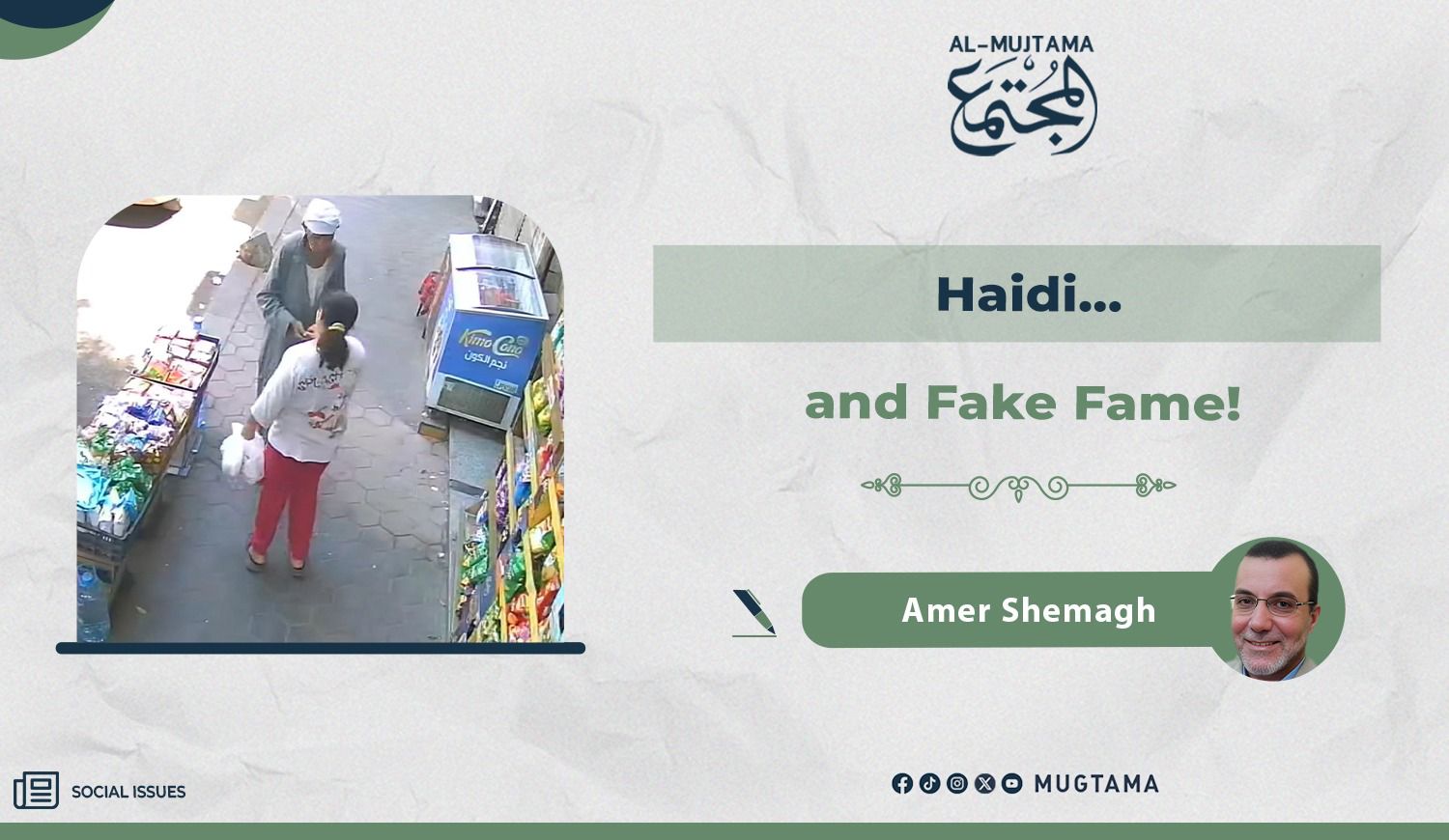
In a spontaneous act, a 10-year-old
Egyptian girl named Haidi decided not to buy a bag of chips from a shop
in the Manial district of Cairo and instead gave its price (5 Egyptian pounds)
to a needy man.
Although the scene was positive, simple,
and spontaneous—carrying noble values—it later became a subject of criticism
after a wave of honors was offered to the girl, while attention drifted away
from the rest of the scene, particularly the needy man who received the five
pounds. Moreover, the incident was turned into promotional material, exploited
by artists, businessmen, restaurants, and companies in pursuit of their own
interests or to gain visibility in the spotlight.
This raises questions about the role of social media in manufacturing fake fame
through “trends,” and its ability to achieve viral spread via algorithms that
promote the most interactive content—further amplified by influencers and
famous content creators who can magnify any topic and mobilize audiences as
co-participants in shaping that content. This explains why companies and
political systems push certain “trends” through their own means, whether to
promote a product or to influence public opinion.
15 Minutes of Fame
“15 Minutes of Fame” refers to the sudden
rise of a person—or content—to the forefront of social media due to a
humanitarian, shocking, or even scandalous video. This type of fame does not
rely on real talent or meaningful achievement, but on temporary hype. With
time, the sparkle fades to make way for the next “trend.” In short, it is about
celebrating sensational content or untalented individuals at the expense of
true creatives—promoting shallow models that rise to prominence suddenly,
through extraordinary viral spread, only to quickly fade into obscurity.
Fake fame is also being bought with money
through specific methods. A large ecosystem exists within social media
that manages the buying and selling of “likes” and views, and the creation of
“trends.” Public relations firms specialize in creating such “celebrity” and
maintaining their presence after their initial viral moment—ensuring they
remain in the public eye as symbols, celebrities, influencers, or content
creators, within this strange virtual world that overflows with superficiality,
triviality, and many odd or deviant ideas.
Negative Impacts on the “Fake Celebrity”
There is no doubt that anyone who becomes a
“trend” initially feels a sense of achievement due to the attention and
spotlight. Fame has a certain glitter that boosts self-image when accompanied
by praise and support. However, once the wave of attention fades, it creates
psychological pressure, resulting in a form of shock that may lead to
frustration or an obsessive desire to return to the spotlight and maintain
relevance.
Matters grow worse when the individual
senses people’s disinterest after the lights fade. This can weaken their social
standing, and even push them toward isolation and withdrawal.
In Haidi’s case, media and
psychological experts warned about the sudden exposure to fame and its effect
on the child’s psychological development. She may struggle to differentiate
between spontaneous acts of kindness and the rewards of fame, potentially
leading her down unhealthy paths that harm her mental well-being.
Yes, the child’s action was noble and
exemplary—but the hysterical and insincere celebration by others corrupted it.
The moment of pure humanity was commodified and exploited commercially at the
expense of childhood innocence.
Impact on Society
It cannot be denied that social media
provides opportunities for creativity, knowledge-sharing, and personal
expression. Yet when fake fame arises, it brings negative consequences: it promotes consumerist values based on blind
imitation of influencer-promoted products and behaviors, while reinforcing a
culture of superficiality over true learning, knowledge, and meaningful
achievements.
The greatest risk lies with youth and
teenagers. Models of “fake fame” are unfit role models, yet they attract the
fascination of young people—negatively shaping their ambitions. Genuine
relationships fade in favor of shallow virtual interactions, while individualism
and vanity overshadow collective spirit and social responsibility.
There are also economic consequences. Fake
fame can be exploited to promote poor-quality or unfit goods and services.
Worse still, the influencer economy inflates disproportionately compared to
professions that are truly beneficial and productive.
It has become routine for attention to be
diverted away from serious issues—such as poverty, education, healthcare, and
human rights—towards trivial entertainment. This is driven by the prominence of
“fake celebrity” who lack intellectual or creative value, distracting the
public from urgent priorities. As a result, a gap emerges between what the
public consumes in content and what it actually needs for awareness and skill
development—reinforcing showmanship over intellectual values.
How Do We Deal with “Fake Fame”?
In reality, “Fake Fame” has become one of
the greatest challenges affecting public awareness, especially among youth. It
can be addressed through the following:
- Raising awareness that digital fame does
not necessarily reflect real value or talent, and training audiences to
distinguish between purposeful content and engagement-driven content.
- Highlighting genuine success stories across
different fields and showcasing inspiring examples that are not rooted in
fake fame.
- Media and educational institutions should create
programs that explain how fake fame is manufactured, how to detect it, and
how to promote alternatives by supporting capable influencers who provide
genuine and safe content.
- Families play a key role in curbing the
phenomenon by discussing it openly as a negative trend, presenting
real-life role models, and encouraging dialogue with children—rather than
relying on strict prohibitions—so that the “virtual influencer” is not the
only alternative.
-------------------------------------------------------------
Read Also:
-
“Doom
Scrolling” … Why Can’t We Stop Looking at Our Phones?!