


Reforming Public Discourse: How Words Reflect Our Collective Consciousness
Language is not merely sounds
scattered among people; it is the vessel of thought, the mover of emotion, and
the mirror that reflects the collective consciousness of any society. The language of public discourse
flows from our daily conversations, our posts on social media, and our
contributions to public debates. It accurately reveals the depth or
superficiality of our culture, our maturity or impulsiveness, and whether we
are walking the path of construction or wandering in the fields of discord.
From a Means of Expression to a Battlefield of Values
When one contemplates the public
scene, it becomes clear that discourse is no longer merely a means of
expression—it has turned into a battlefield of conflicting values, competing
desires, and voices striving for loudness rather than truth. Yet reforming
discourse does not begin with polishing words alone, but by reorienting the
compass that governs them—the moral, intellectual, and cultural compass that
determines our direction before we even open our mouths.
The Triple Compass: Values, Thought, and Culture
The moral compass makes the word an act of worship, the stance a responsibility, and criticism a
trust. It urges us to speak the truth but not harshly, to debate but not despicably,
disagree but not offensively. These are the values of truth, justice, mercy,
and respect for humanity—values that make speech a tool of reform, not revenge;
an expression of nobility, not anger.
The intellectual compass places awareness before reaction, reason before
enthusiasm. It turns speech into a project of consciousness, not a moment of
argument—an effort to seek truth, not domination. Then comes the cultural
compass, which grants discourse its taste and balance, restoring to the Arabic language its eloquence and to public taste its beauty. It reminds
people that beautiful words are part of a nation’s identity, not a linguistic
luxury.
Causes of Deviation
As we review the course of public
discourse, we notice a gradual deviation that has tampered with the beauty of
meaning and the nobility of purpose. Linguistic and intellectual education has
declined in homes, schools, and the media. Role models who inspire people with refined language have vanished, while
social media has opened its doors to every voice—no matter how harsh, ignorant,
or troubled. Add to that the political and ideological polarization that has
divided people into hostile linguistic camps, and the absence of unifying
references to restore balance when harmony is lost.
Signs of Deviation
The signs of deviation are
evident in our daily language. Expressions of generalization and accusations of
betrayal have spread, sarcasm dominates dialogue, and discussions have turned
into arenas of combat rather than spaces of thought. People now consume words more
than they produce meanings, and the language of construction has been replaced
by the language of destruction. Thus, words have lost their purity, and speech
about public affairs has become burdened with emotion more than truth.
Words Shape Behavior
Since words shape behavior, this
deviation carries profound implications and dangerous consequences. A society
that speaks the language of doubt and hatred ends up living it. Its discourse becomes
a factor of fragmentation, not cohesion. Trust between social groups declines,
loud voices overshadow the balanced ones, and the image of society abroad
becomes distorted—seen only through the language it publishes. Even internally,
we have lost the language of role models; the attacker has become a star, while
the reasonable has been pushed to the margins.
How Do We Restore the Value of Words?
Reforming this path cannot come
by decree or a new slogan, but through gradual awareness that restores people’s
appreciation for the word and plants within them a sense of responsibility
toward what they say. We must restore education’s role in refining speech,
empower rational voices in the media, teach people the culture of dialogue and
the ethics of disagreement, and instill in them the certainty that every word
is a trust—recorded in our scrolls before it appears on our screens. As the
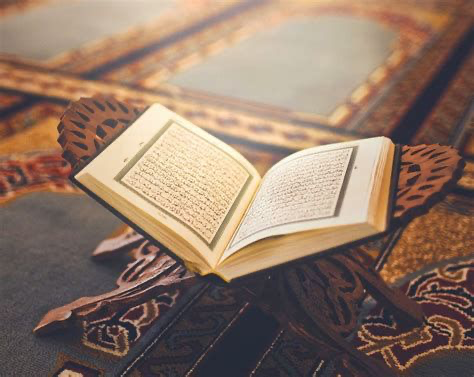
Quran reminds us: {Not a word does a person utter
without having a ˹vigilant˺ observer ready ˹to write it down˺.} [Qaf 50:18]
The Nation’s Language Measures its Maturity
The language of public discourse
is a measure of a nation’s maturity. When our language rises, our lives rise;
when our words decline, our awareness declines. When people learn to speak with
grace, to differ without hatred, and to weigh their words with reason and
values—only then can we say that our revival has begun. Not through politics or
economics, but through the language that dwells in our hearts before it leaves
our tongues.
Also Read:
- 6 Fields of Civilizational Renewal in Islamic Thought
- Will Our Souls Change So Our Reality Changes?
- Quran's Linguistic Approach to Truth
-------------------------------------------------------------