



A Path to Faith and Health
10 Islamic Hygienic Habits for Kids
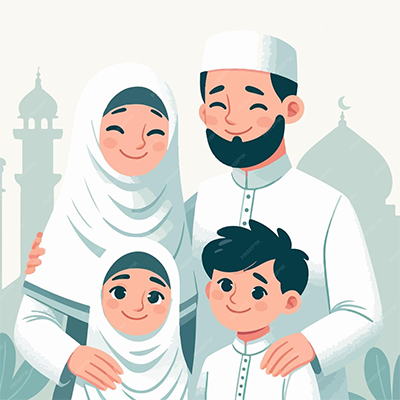
Nurturing children with good habits ensures a healthier, more spiritually conscious generation. Islam emphasizes both spiritual discipline and physical cleanliness. Prophet Muhammad (pbuh) said: “Cleanliness is half of faith” (Sahih Muslim, Hadith 223). This profound statement highlights that hygiene is not merely a worldly matter but an act of worship.
Teaching children religious and
hygiene habits early in life helps them grow into responsible, faithful, and
healthy individuals.
Here we explore ten essential Islamic
habits that every Muslim child should learn.
1. Getting Up Early
Waking up early instills discipline
and prepares children for the Fajr prayer. The Quran praises those who rise
early for worship
Prophet Muhammad (pbuh) encourages
early rising, saying: “O Allah, bless my
nation in their early mornings.” (Sunan
Ibn Majah, Hadith 2237). Teaching children to wake early not only aligns them
with divine blessings but also promotes productivity and good health.
2. Starting the Day with Praying
Prayer is the cornerstone of Islamic
life. Beginning the day with Fajr connects children to Allah and sets a
spiritual tone.
Prophet (pbuh) said: “The two rak‘ahs of Fajr are better than the world and
all it contains.” (Sahih Muslim, Hadith 725).
Encouraging children to start their
day with prayer nurtures mindfulness, gratitude, and reliance on Allah.
3. Praying on Time
Performing prayers punctually
teaches children discipline and obedience. Allah commands:
{Indeed, prayer has been decreed upon the
believers a decree of specified times.} [An-Nisa 4:103].
The Prophet (pbuh) emphasized
punctuality: “The most beloved of deeds to
Allah is prayer at its proper time.” (Sahih
Bukhari, Hadith 527). By modeling timely prayer, parents instill responsibility
and respect for divine order in their children.
4. Regular Washing for Hands, Face, and Feet (wudu)
Handwashing is both a religious and health practice. Before prayer,
Muslims perform ablution (wudu), which includes washing hands Face, and Feet.
The Quran states:{O you who have believed,
when you rise to perform prayer, wash your faces and your forearms to the
elbows and wipe over your heads and wash your feet to the ankles.} [Al-Ma'idah 5:6].
5. Bathing Regularly
Bathing promotes cleanliness and is
emphasized in Islam. The Prophet (pbuh) said: “It
is the right of Allah upon every Muslim that he should take a bath once every
seven days, washing his head and body.”
(Sahih Bukhari, Hadith 897).
Bathing prepares children for prayer
and gatherings. It prevents illness and instills self-respect. Parents should
encourage regular bathing.
6. Brushing Teeth Twice a Day
Oral
hygiene is strongly emphasized in Islam
through the practice of miswak. The Prophet (pbuh) said: “If I had not feared hardship for my followers, I would
have ordered them to use the miswak before every prayer.” (Sahih Bukhari, Hadith 887).
Brushing teeth more than twice daily
prevents cavities and bad breath, while also fulfilling the Sunnah. Teaching
children this habit connects them to the Prophet’s example and promotes
lifelong dental health.
7. Keeping Nails Clean and Trimmed
Long nails can harbor dirt and
germs. Islam encourages trimming nails regularly. The Prophet (pbuh) said: “Five things are part of the fitrah: circumcision,
shaving the pubic hair, trimming the moustache, cutting the nails, and plucking
the armpit hair.” (Sahih
Muslim, Hadith 257).
By keeping nails clean, children
avoid infections and maintain hygiene. Parents should model this practice and make
it part of weekly routines.
8. Covering Coughs and Sneezes
The Prophet (pbuh) taught manners
even in sneezing. He said: “When one of you
sneezes, let him say ‘Alhamdulillah,’ and let his brother or companion say to
him, ‘Yarhamuk Allah.’” (Sahih
Bukhari, Hadith 6224).
Covering coughs and sneezes prevents
the spread of illness. Modern health guidelines echo this Sunnah, showing
Islam’s timeless wisdom. Teaching children to use tissues or their elbows when
sneezing protects others and demonstrates consideration.
9. Washing Hair
Clean hair reflects dignity and
self-care. The Prophet (pbuh) encouraged grooming: “Whoever has hair, let him honor it.” (Sunan Abu Dawood, Hadith 4163).
Washing hair removes dirt and
prevents lice, while combing maintains neatness. Parents should teach children
to wash their hair regularly and keep it tidy, as part of honoring the
blessings Allah has given.
10. Using the Toilet Properly
Islam places great importance on
cleanliness after relieving oneself. The Prophet (pbuh) said: “Beware of the two things that bring curses: relieving
oneself in the path of people or in their shade.” (Sahih Muslim, Hadith 269).
The Integration of Faith and Health
These ten habits show how Islam
integrates spiritual devotion with physical hygiene. Prayer disciplines
the soul, while cleanliness protects the body. Together, they nurture children
into balanced individuals who honor Allah and care for themselves and others.
Parents play a crucial role in
modeling these habits. Children learn best by observing consistent practice.
When parents wake early, pray on time, and maintain hygiene, children naturally
adopt these behaviors.