


Can the Gulf Continue the Same After War?
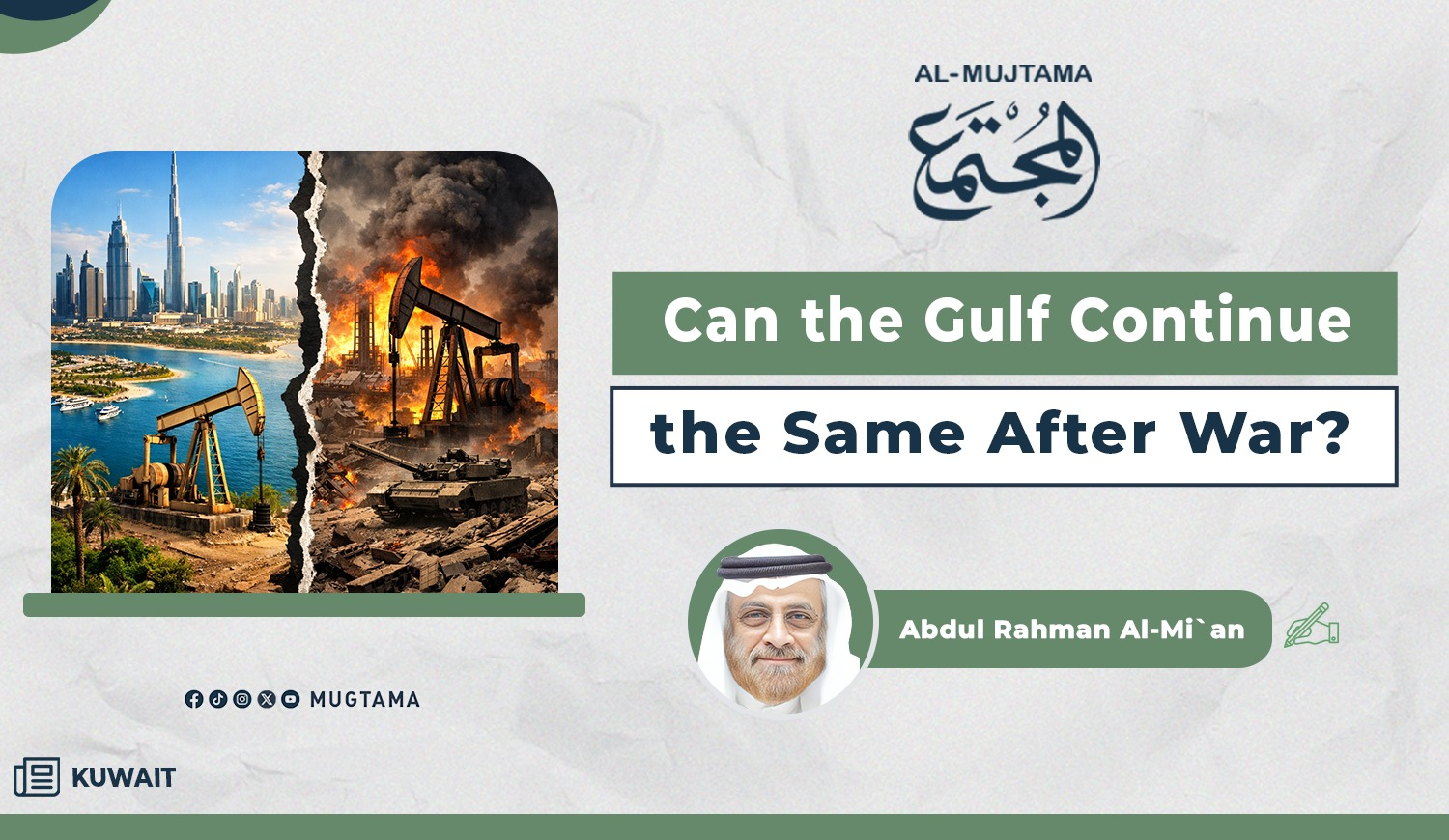
A
question may arise in the mind of an observer—or anyone concerned with the Gulf
region—and it may even emerge from within Gulf societies themselves, especially
after wars: Can the Gulf today continue as it was before the war? In other
words, will the Gulf—both governments and peoples—benefit from what they have
experienced through wars and begin searching for a clear, unified vision?
This is a
fundamental question at the heart of current reality. It may even be a central
question, as there is no country that has not changed after war—whether
positively or negatively. In fact, the negative impact is often closer than the
positive. Therefore, there is no doubt that a profound transformation will
affect the Gulf.
But what
if the Gulf fails to recognize the need for change and continues in stagnation
without transformation? Undoubtedly, the consequences would be severe, and the
outcome uncertain.
Allah
says, {Why did they not humble themselves when We
made them suffer? Instead, their hearts were hardened, and Satan made their
misdeeds appealing to them.} [Al-An`am 6:43]
Calamities,
hardships, trials, and afflictions—whatever their nature—must awaken the human
conscience, especially that of a Muslim. They should lead one to reflect,
analyze, and reform oneself, one’s environment, one’s state, and one’s reality
in a way that pleases Allah!
Today, we
are living through a war catastrophe
by all standards, and we do not know whether it is a trial or a punishment. In
either case, we must humble ourselves, reflect on our condition, and seek
change.
Allah
says, {Whatever affliction befalls you is because
of what your own hands have committed. And He pardons much.} [Ash-Shura 42:30]
Thus,
there must be humility,
awareness of the mercy of Allah, and collective repentance and reform.
Key Transformations the Gulf Must
Address After War
From
here, we say: there are essential points that must be recognized:
1. Social Phenomena: From
Excessive Consumption to Responsible Living
Many Gulf
households live in comfort, prosperity, and security due to blessings of Allah—particularly
oil wealth. Praise be to Allah.
However,
some squander this blessing, indulging in deception, excessive spending,
wastefulness, and extravagant lifestyles—while neglecting the needs of others.
These behaviors are often displayed publicly through media, portraying
arrogance and heedlessness, as if blessings are permanent.
This is
undoubtedly a negative phenomenon. Such destructive and excessive consumerism
must be reduced and regulated according to the words of Allah: {If you are grateful, I will certainly give you more. But
if you are ungrateful, surely My punishment is severe.} [Ibrahim 14:7]
Ingratitude
here includes wastefulness,
arrogance, and misuse of blessings at all levels.
This
reality must change—first within individuals, then within society—guided by a
religious understanding that the laws of Allah apply to all without exception.
2. Reforming Religious
Discourse for Times of Crisis
There is
a clear shortcoming in both general and official religious discourse in
addressing such critical realities.
It must
change its tone, its topics, and reduce unnecessary conflicts with differing
views. What is needed is a constant state of spiritual awareness—not passive or
superficial discourse.
There
must be emphasis on divine laws,
especially those related to destruction, injustice, and deviation from the path
of Allah. Hearts must be directed toward reliance on Allah,
alongside taking material means.
The
stories of the Prophets and companions must be highlighted—showing how those
who were ungrateful for blessings were replaced by fear and hunger, as
mentioned in the Quran.
3. The Need for a Unified
Scholarly Authority
Our
problem today lies in the confusion surrounding fatwas, and the scarcity of scholars who can
be relied upon in major contemporary crises. As a result, people turn to those
they perceive as thinkers or scholars—yet in reality, such individuals may not
have fully grasped the principles of Shari`ah or its regulatory framework, nor
completed their intellectual and scholarly formation under the guidance of
established scholars. Consequently, fatwas are issued from a limited
perspective, lacking a comprehensive understanding of both reality and Islamic
law.
Therefore,
it is essential for governments to take this matter seriously by establishing a
unified scholarly body—one that is independent, unbiased, and not affiliated
with any particular group. This body should be granted the necessary authority
to guide and issue rulings, offering counsel and fatwas based on collective
scholarly deliberation, rather than isolated individual opinions.
4. Building Public
Awareness as a Strategic Priority
The
battle of awareness is long and continuous. This is not about elites—many of
whom have chosen different paths—but about the general public. They form the societal consciousness necessary for intellectual and civilizational
revival.
Here lies
the role of scholars, thinkers, and strategists—to utilize all media platforms
and engage sincere, knowledgeable, and specialized voices to shape awareness.
5. Ideological Conflict in
the Region
We must
first recognize that the region is caught within a number of conflicting and
overlapping projects. The Western project is
clearly visible and has been widely discussed by many writers; it seeks to
subject the region to its own ideology, weaken the Ummah, seize its resources, and undermine its intellectual
and doctrinal foundations.
At the
same time, the Zionist project is
actively advancing according to a religious agenda and the concept of “Greater
Israel,” employing texts from the Torah and mobilizing religious sentiment for
strategic purposes.
Iran,
too, has made its project clear since the beginning of its revolution and the
doctrine of Wilayat Al-Faqih,
implementing it across four countries: Iraq, Syria, Lebanon, and Yemen.
If these
projects are fundamentally ideological—competing for influence and resources
through the mobilization of their respective belief systems—then it becomes
essential for the Ummah as a
whole to establish its own comprehensive ideological project.
6. Palestine: A Central
Cause of the Ummah
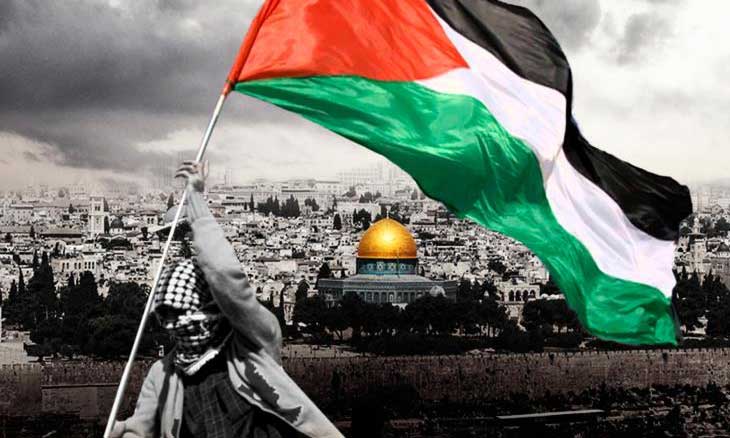
Palestine
is not the issue of a faction, group, or movement—it is the cause of the entire Ummah.
It is a
Muslim land occupied unjustly with the support of major powers. It contains
sacred sites, including Al-Aqsa Mosque, and the region of the
Levants holds deep prophetic and historical significance and
the arena of end-time events.
A Strategic Message to Gulf Governments
In brief,
this is a message to Gulf governments:
1.
Establish
a clear military doctrine for societies through official frameworks.
2.
Recognize
religion as a driving force and place it at the forefront.
3.
Identify
both internal and external enemies.
4.
Strengthen
unity and coordination among Muslim nations gradually.
5.
Open
engagement with the broader Islamic world.
6.
Invest
in youth—they are the shield and strength of nations.
7.
Reconcile
with the people and strengthen trust.
8.
Distance
from hypocrites and opportunists; empower scholars and experts.
9.
Promote
seriousness and discipline; reduce luxury, waste, and trivial distractions.
10.
Establish
strategic research centers.
11.
Build
strong, independent military capabilities to defend the Ummah.
We ask
Allah to guide us to sound judgment and steadfastness, and to grant the Ummah success in adhering to His law and giving priority to
religion in all aspects of life.
For Further Reading:
- Certainty in Allah amidst All Circumstances
- How Parents Can Create Stability During War
- Reforming Public Discourse: How Words Reflect Our Collective Consciousness
-------------------------------------------------------------